Die Taube in der Hand: A Book About Loyalty

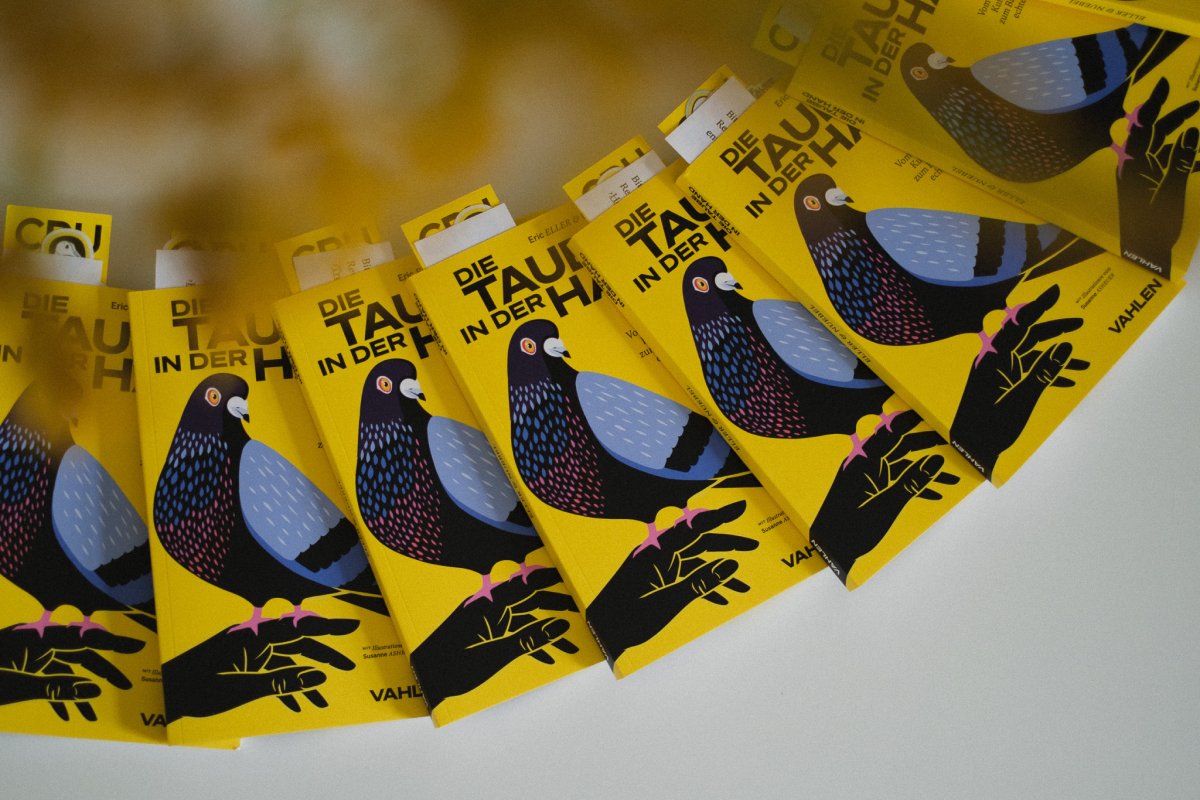
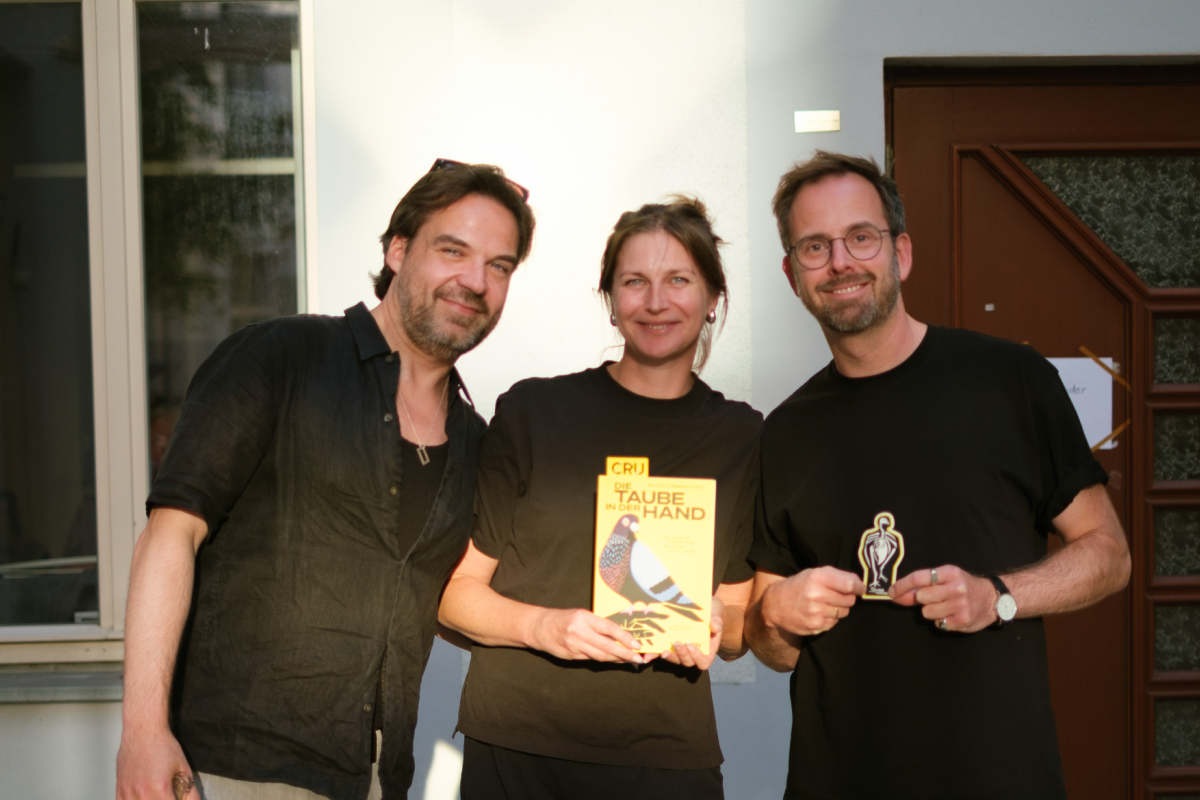
In August, Die Taube in der Hand. Vom Mythos der Kundenbindung zum Bauplan echter Loyalität (roughly: The Pigeon in the Hand. From the Myth of Customer Retention to a Blueprint for Real Loyalty) was published by Vahlen. It was written by Ben, partner at CRU, together with Eric Eller, Professor of Business and Media Psychology at TH Ingolstadt. Layout and design are by Jan, our co-founder and creative director, the illustrations by Susanne Asheuer. We hadn’t written about the book launch here yet. Time to catch up.

What it’s about
“Better a sparrow in the hand than a pigeon on the roof” is the German version of “a bird in the hand is worth two in the bush.” In German, it carries an undertone: what we already have isn’t worth much. That’s exactly how many companies treat their existing customers. New customers get rewards, special terms and the best service. Those who are already there pay full price and sit on hold. The book flips the image: the most valuable pigeon is already in your hand.
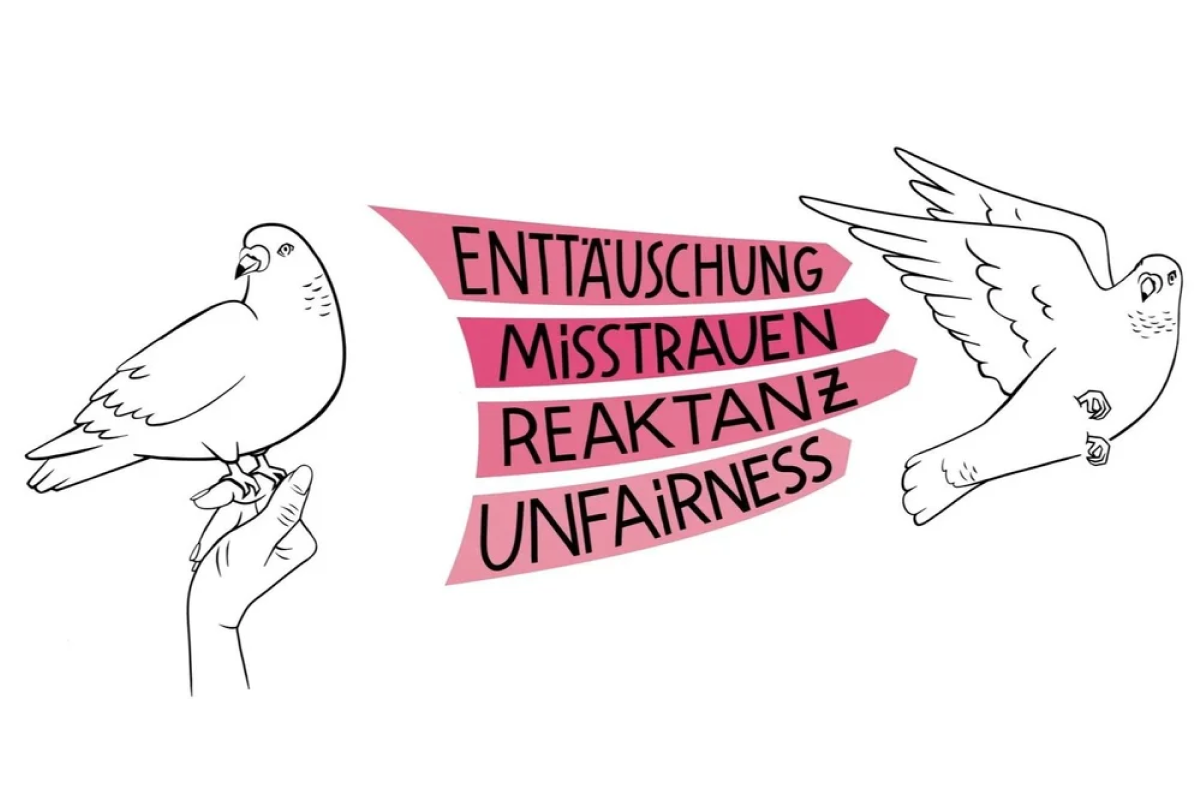
The core premise is encouraging. Loyalty is the default. People like to stay, because staying feels more familiar, safer and easier than any switch. They leave when something goes wrong. From this, Ben and Eric developed the Pigeon Model of Loyalty, and it follows a clear order. First, loyalty is protected against four must factors that reliably drive customers away: disappointment, distrust, reactance and unfairness.
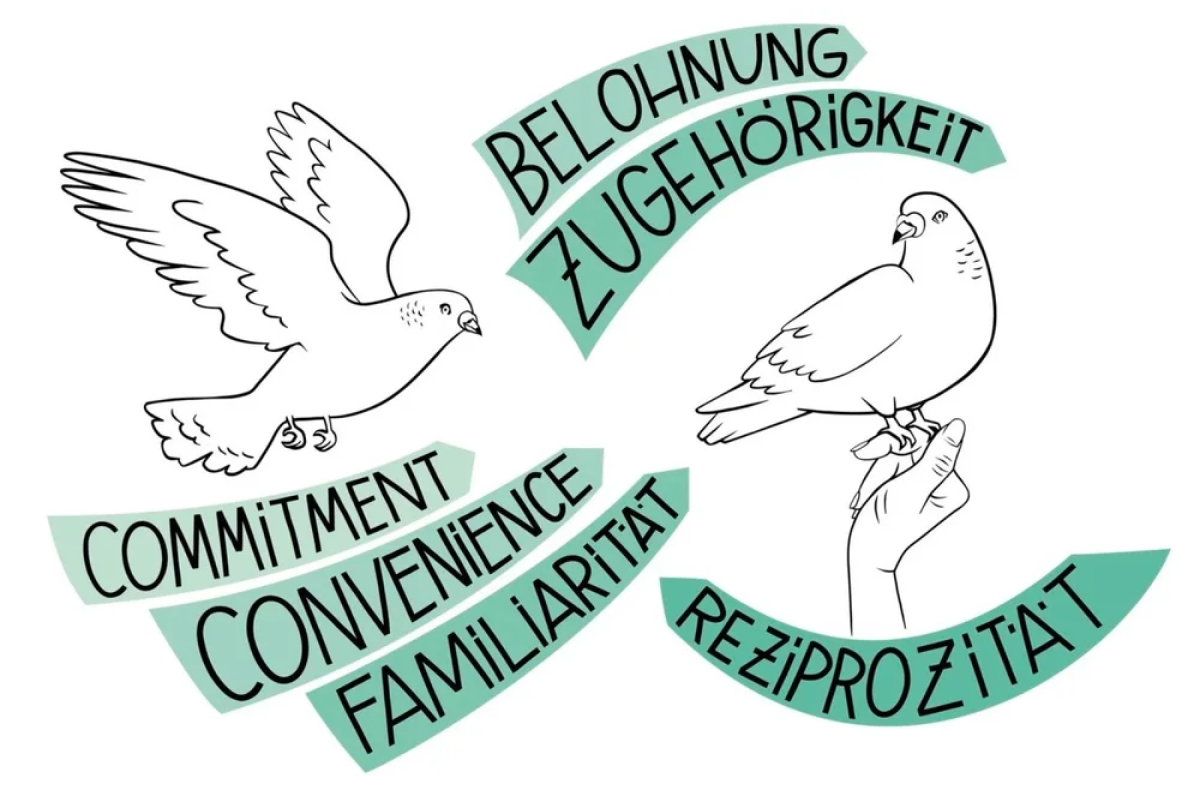
Then it is strengthened through six can factors, which need to fit the individual company: reward, belonging, commitment, simplicity, familiarity and reciprocity. Handing out stamp cards while the coffee machine is broken is money down the drain.
The best part: the book includes a workbook section that lets any company build its own blueprint for a loyalty strategy.
What this has to do with branding
More than the term “customer retention” suggests. The most common loyalty killer in the book is disappointment, and it happens wherever a brand breaks its core promise. So loyalty starts with the promise itself: How clear is it, and does every touchpoint deliver on it? An example from the book: In January 2021, when almost every online broker halted trading in GameStop shares, trading continued at flatex. Being able to trade when it matters is the core promise of any broker.
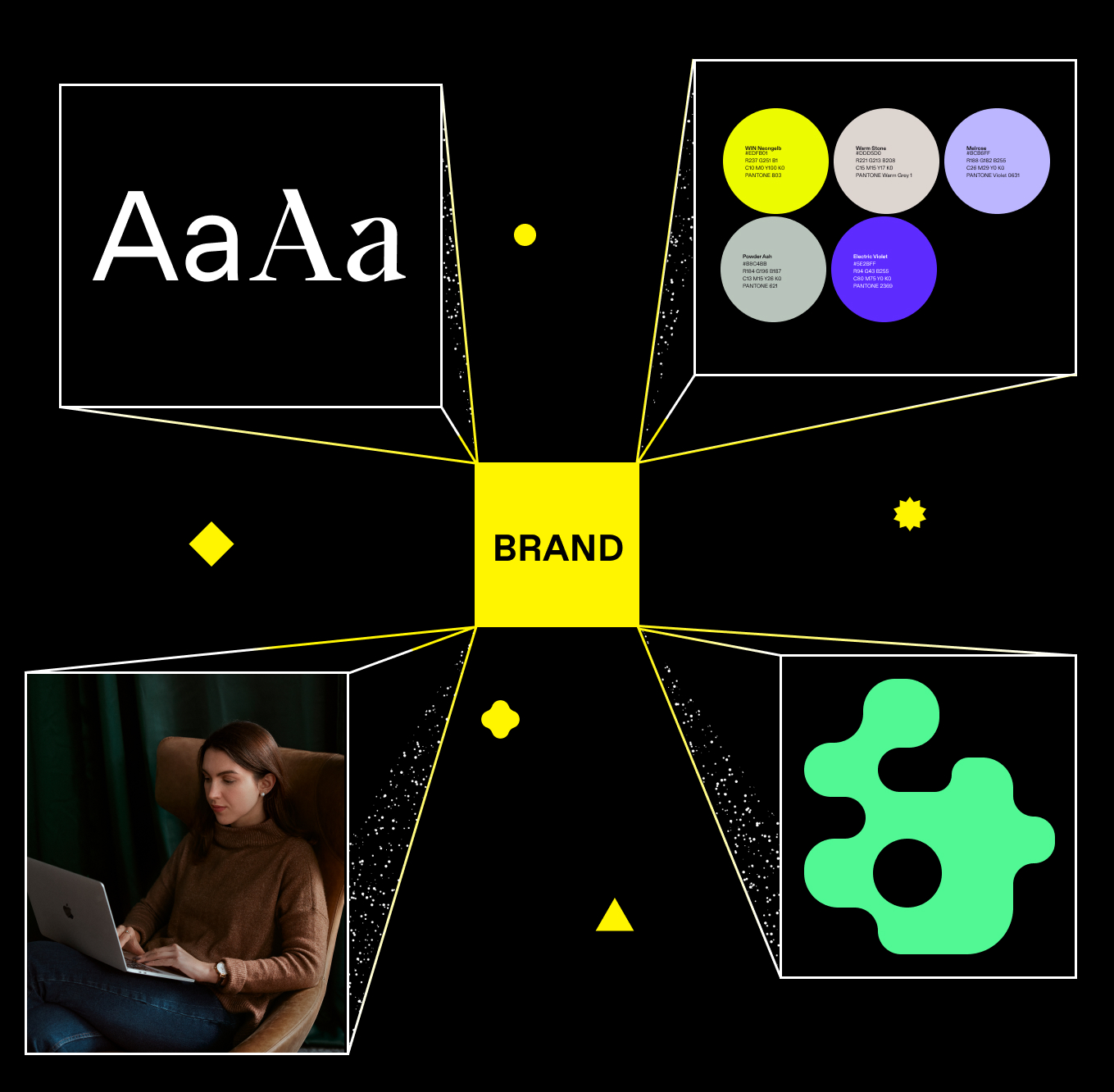
The strengthening factors are brand work, too. Belonging only works if being seen with a brand makes customers look good. And familiarity, the trust we place in what we know, is an advantage a careless rebrand can quickly squander. That’s why every change starts with the question of what stays.
What this means for our work at CRU
We build brands for tech and finance companies, in markets where switching takes a few clicks and trust can tip quickly. That’s why we use the Pigeon Model in our projects. Three things shape our work.
The promise has to hold. In our Branded Intent model, intent and promise are followed directly by the question of decisions and behaviour. A promise that everyday reality fails to keep creates disappointment. So we work out early on with our clients which commitments their team and product can reliably deliver.
What stays gets protected. In every rebrand, we first ask which elements people recognise a brand by. Swap them out carelessly and you put hard-won familiarity at risk.
Loyalty grows over time. Every interaction builds familiarity, and every touchpoint makes staying more likely. That’s exactly what we mean by “Brands that compound”: the more often and consistently a brand keeps its promise, the bigger its lead becomes.
Die Taube in der Hand is available in bookstores, with more on the model at taubenbuch.com. And if you’d like to apply the Pigeon Model to your own brand, get in touch.